We engineer technology for the world as it is, and the world as it could be.
Practical intelligence for African realities. Systems that keep working when the grid drops, the network slows or the data is thin.
Pilot · In start-upFood waste to gas, Lagos
Field workKigali, Rwanda
The conditions we design for
82.5%
of firms
Most Nigerian firms had power outages in the World Bank Enterprise Survey of 2025. We design for the grid to drop.
Source: World Bank Enterprise Surveys, Nigeria 2025 (opens in a new tab)
4.2%
of monthly income
The median price of a 2 GB mobile data plan in Africa in 2024. The UN target is 2%. We design for every megabyte to count.
Source: ITU, The State of Broadband in Africa 2025, p. 22 (opens in a new tab)
520
living languages
Indigenous languages spoken in Nigeria alone. We design for the person who does not read English first.
Source: Ethnologue, Nigeria country profile (opens in a new tab)
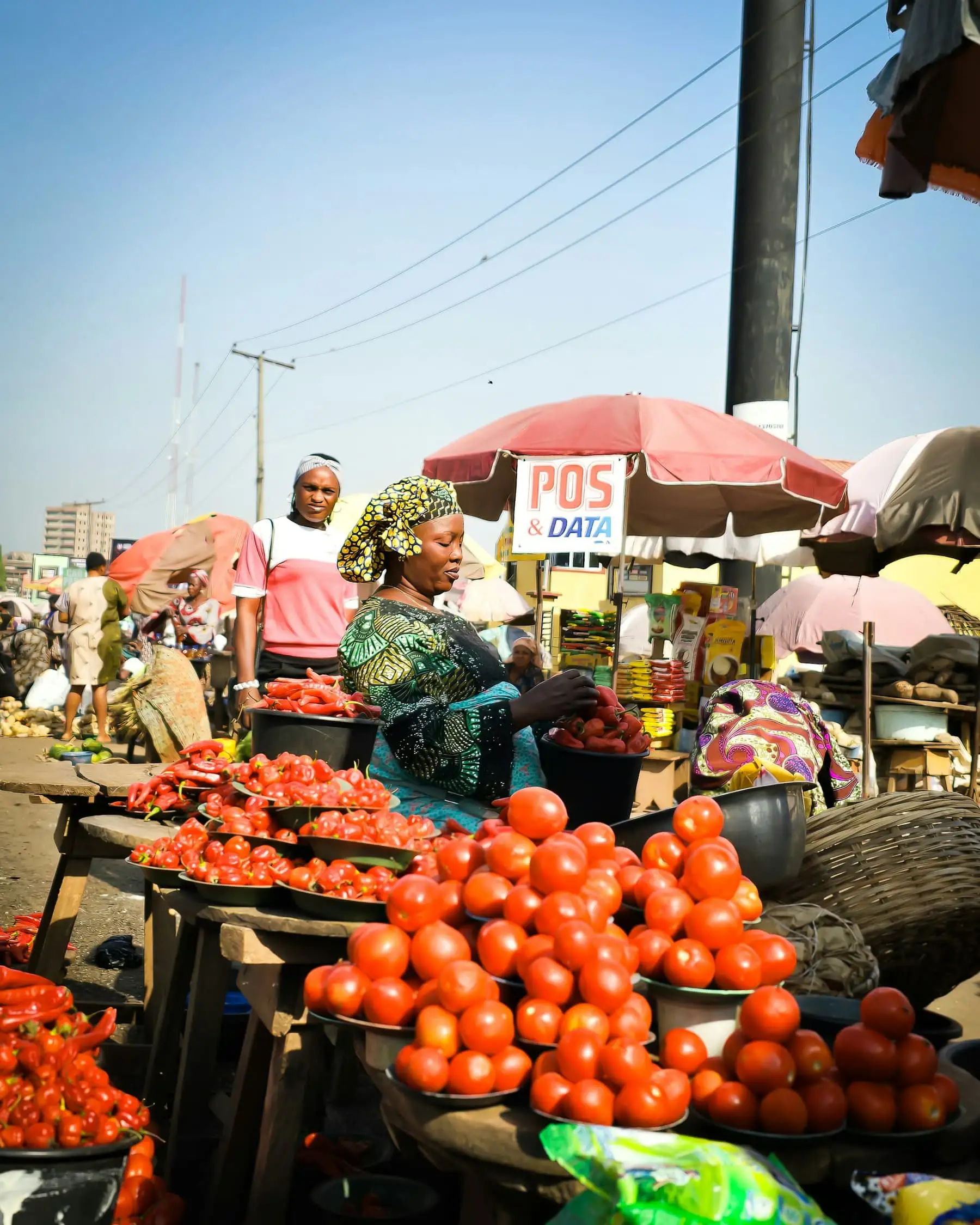
Markets, workshops, cold rooms and offices. Not a lab in another country.
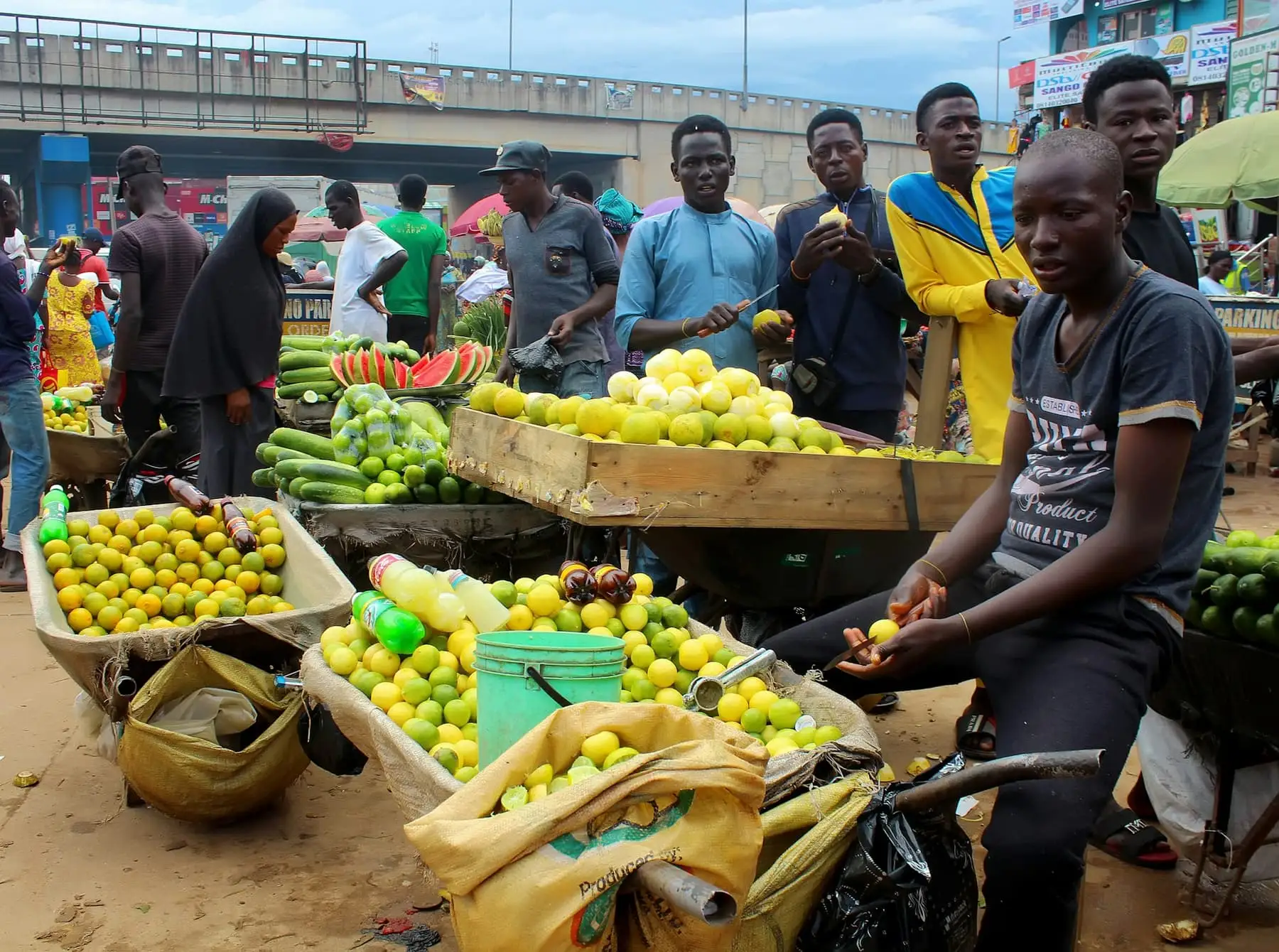

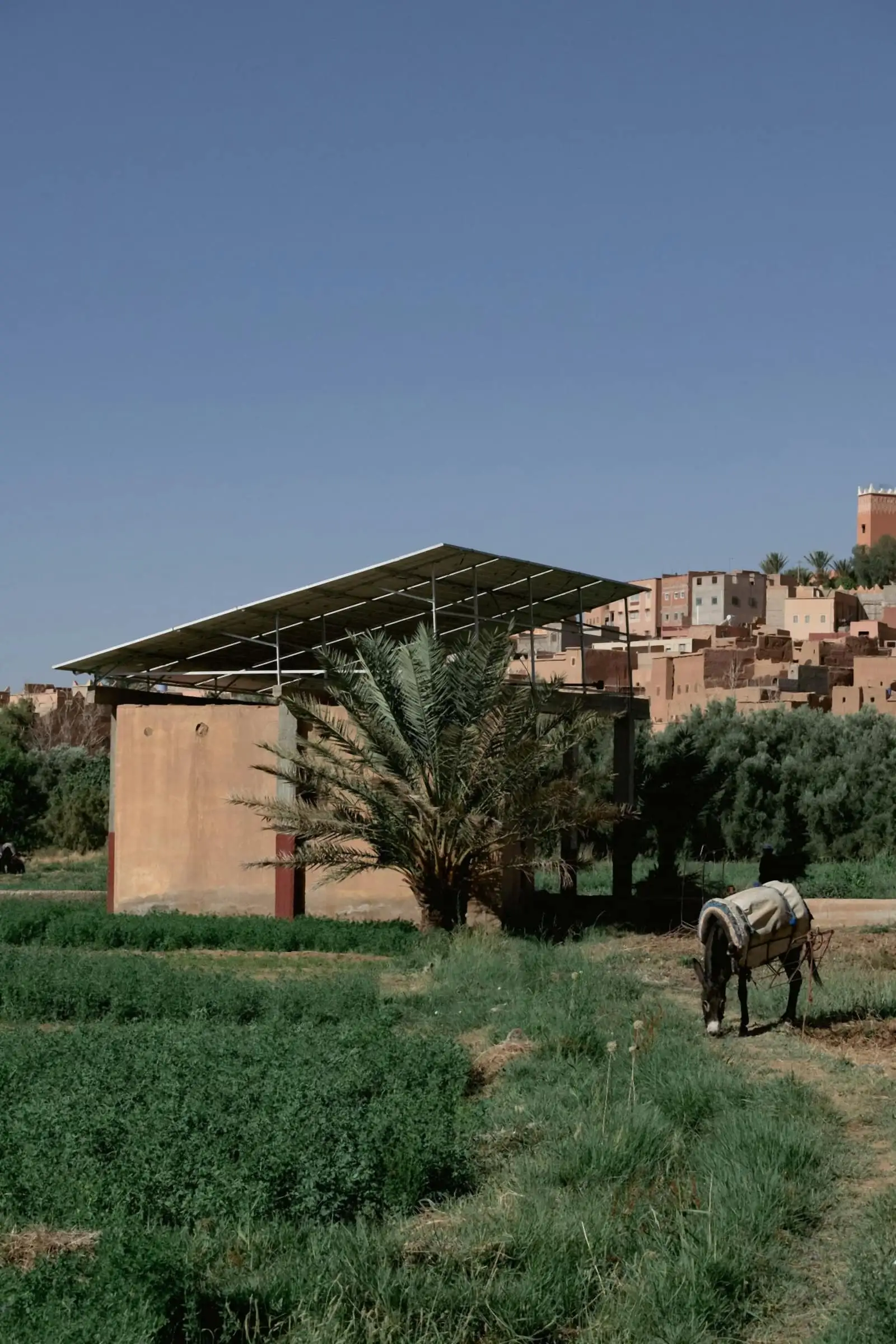
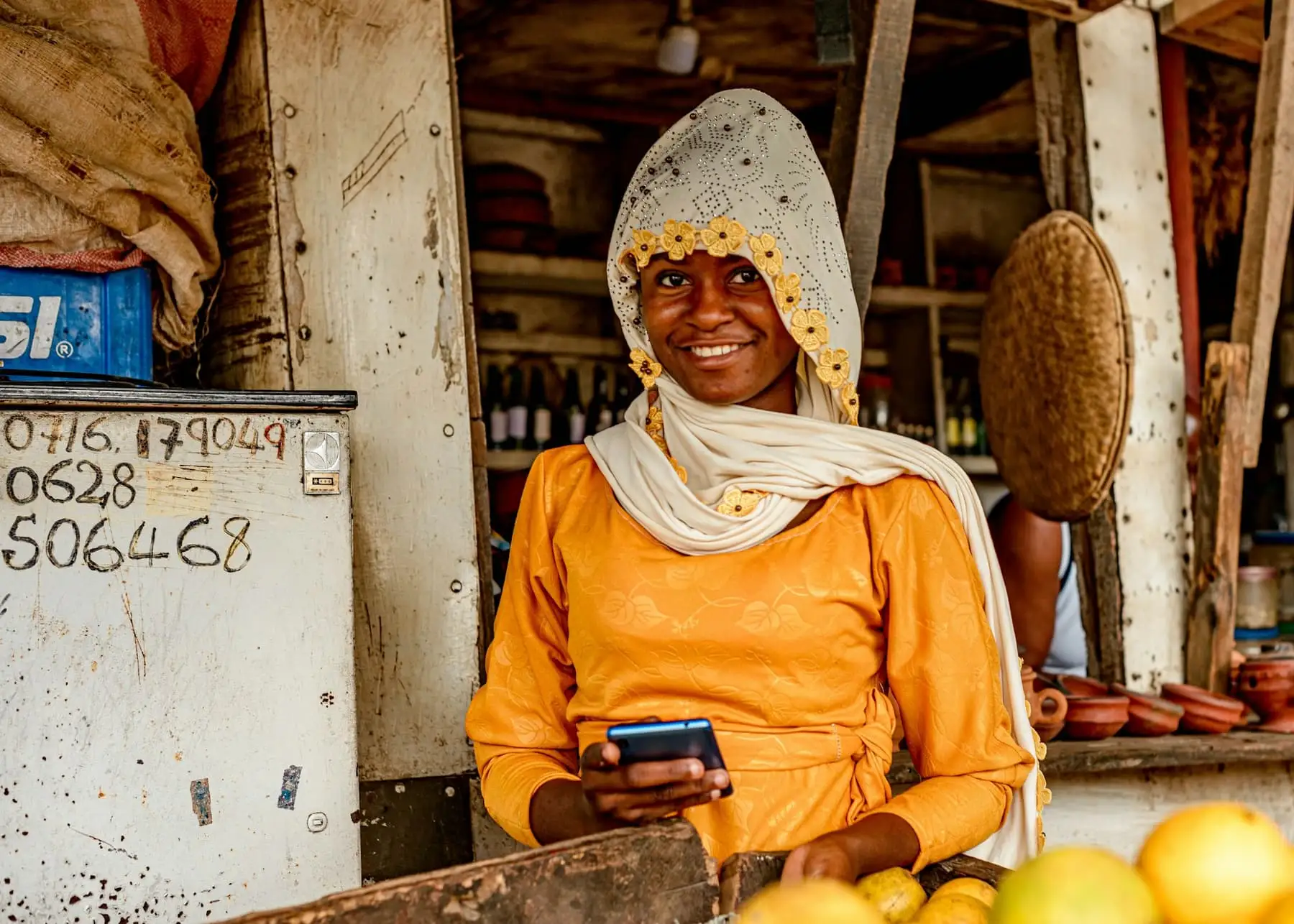
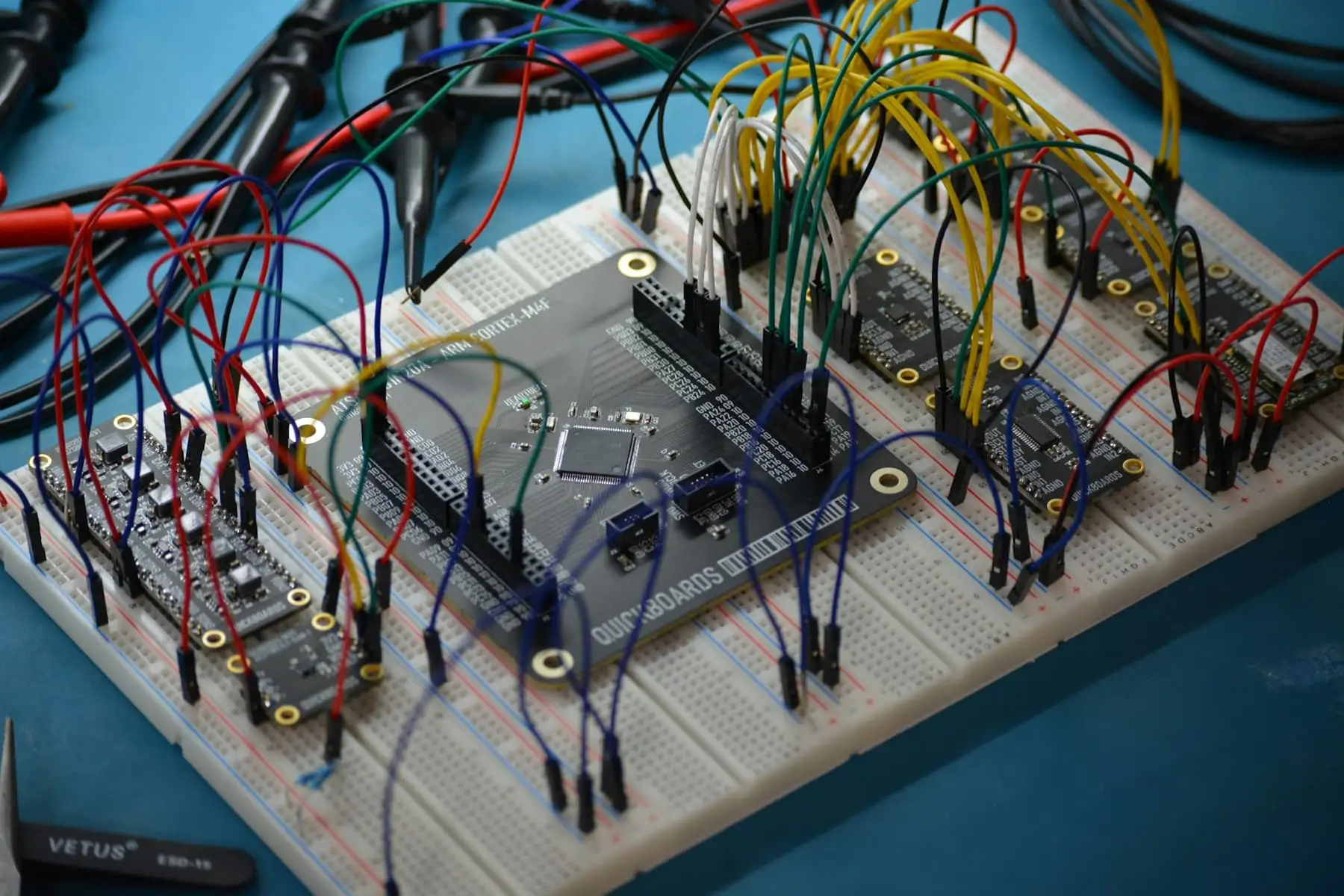
Four kinds of work. One rule: design for the conditions first.
Digital Engineering and Intelligent Systems
Your data sits in several systems, and none of them answers the question you need answered.
- Data pipelines and analytics
- Applied AI and automation prototypes
- Platforms and systems integration
Data Protection and Cybersecurity
You hold customer data under the Nigeria Data Protection Act 2023 and need to know where it is exposed.
- Architecture and security reviews
- NDPA data protection gap assessments
- Access, identity and API boundary design
Climate, Energy and Food Systems Technology
Waste, power and cold storage fail in ways a spreadsheet does not show until the loss is counted.
- Feasibility studies and pilot design
- Monitoring and sensor systems
- Waste-to-energy and cold chain engineering
Technology Capacity and AI Readiness
Your team is expected to use AI next quarter, and nobody has shown them how it fits their work.
- AI readiness assessments
- Applied workshops on real problems
- Training for technical and non-technical staff
Market waste in. Light out.
A food-waste digester designed after site visits in Rwanda, fed with sorted organic waste from Mile 12 market and lighting a food and energy estate in Lagos at night.
- 50 to 100 kg
- sorted waste a day
- Every night
- security lights on gas
- Oct 2026
- digester installed
AIT in the field
How we work on site: from the problem, to the drawing, to the thing that runs.
How we work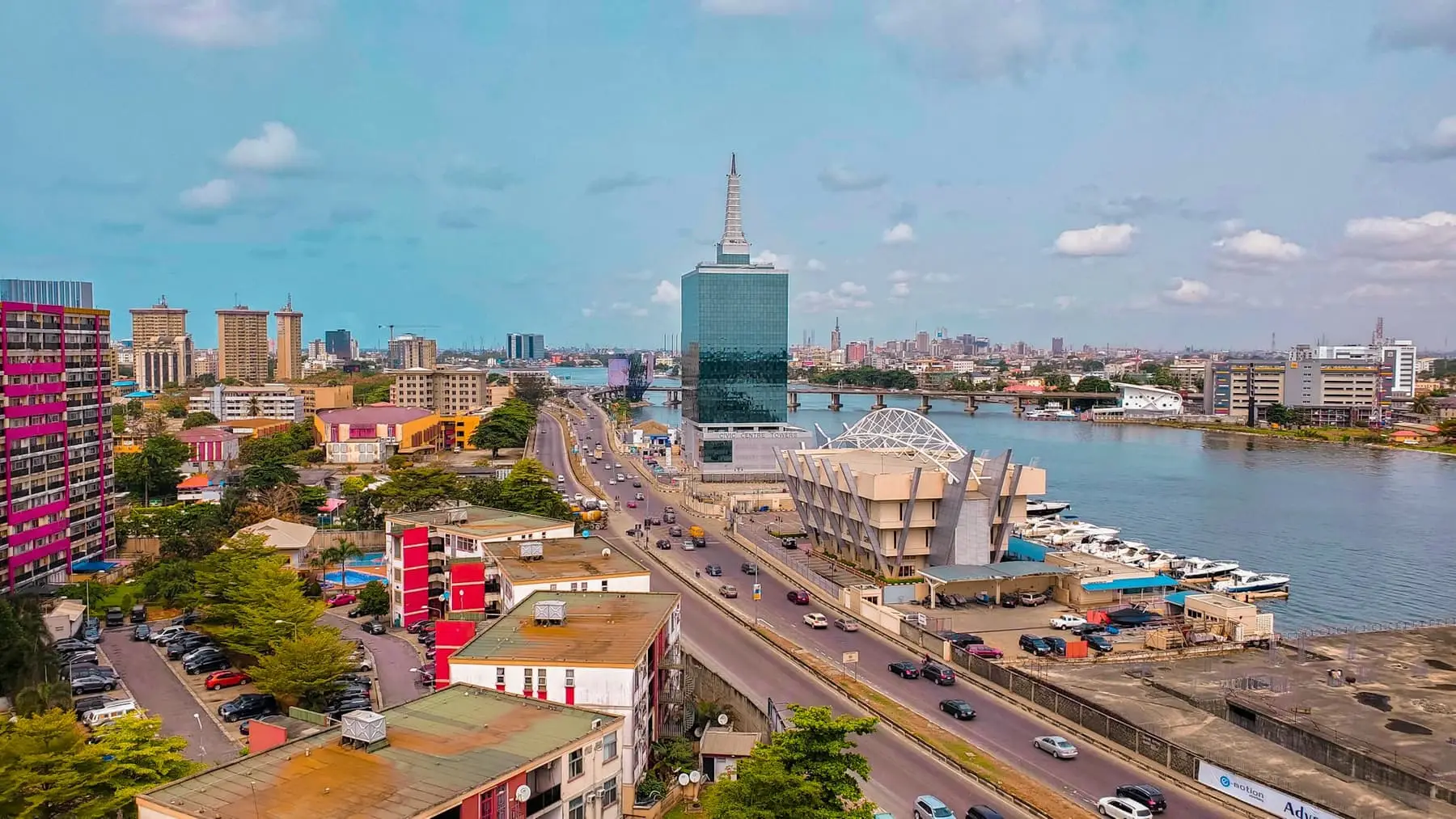 Video coming soon
Five steps, in this order, on every engagement.
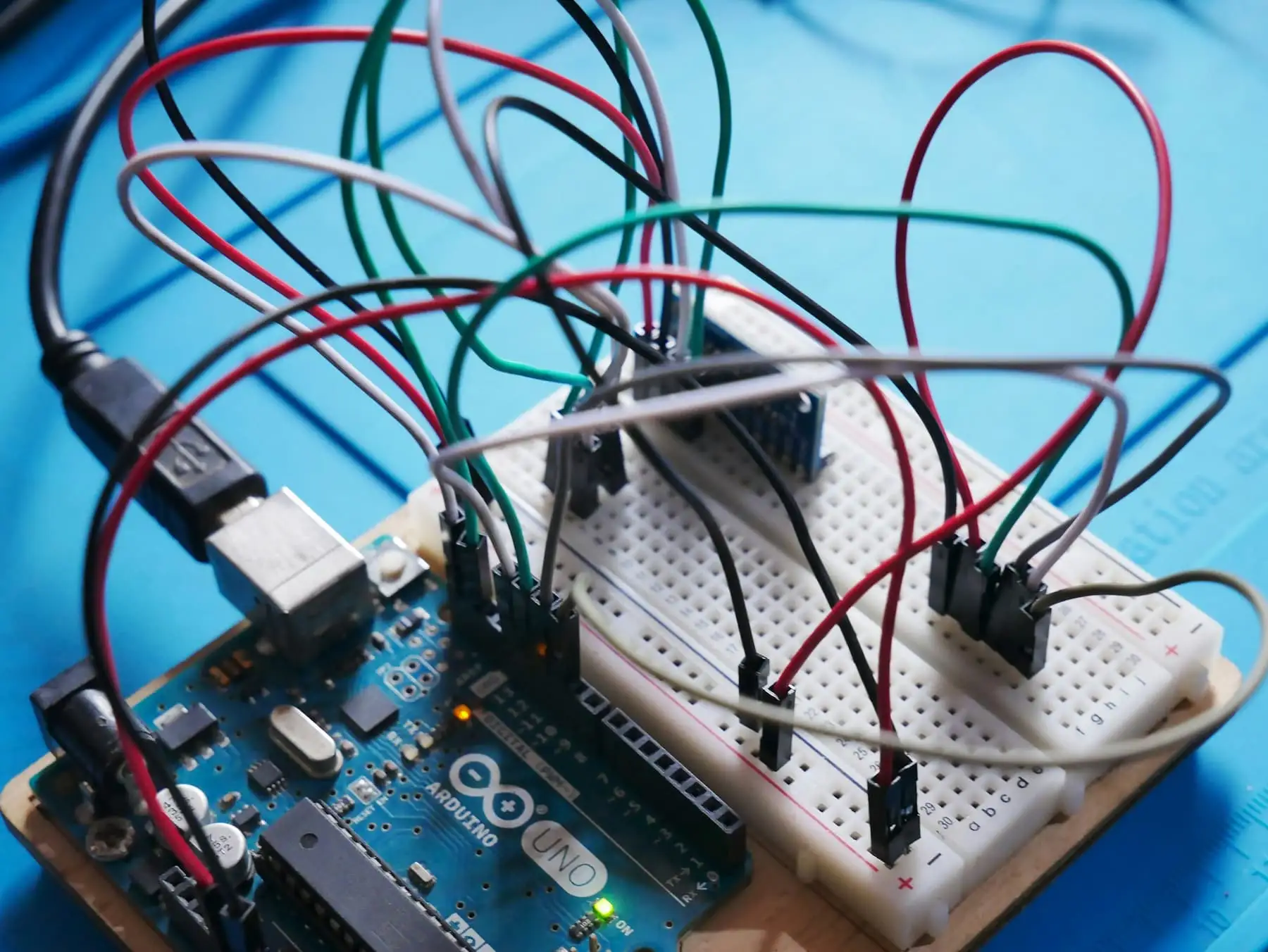
Edge AI for places the cloud does not reach.
Sensors and small computers that decide on site, store what they see, and send it on when the network comes back. Lab work, shown at its real stage.
- H1Energy securityStage: PROTOTYPE
- H2Food securityStage: CONCEPT TO PROTOTYPE
- H3CybersecurityStage: CONCEPT
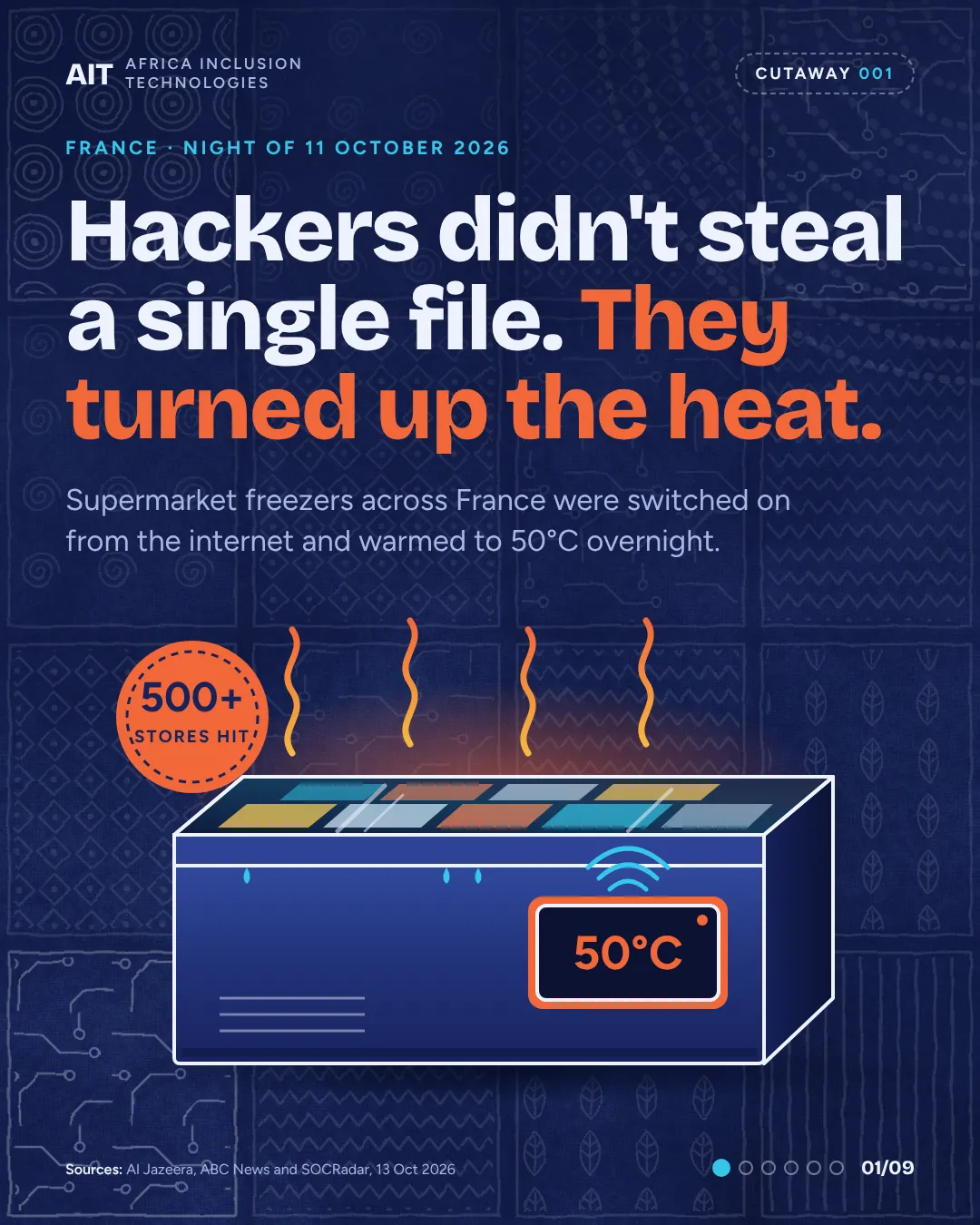 Hackers didn't steal a single file. They turned up the heat.Supermarket freezers across France were switched on from the internet and warmed to 50°C overnight. What that means for cold rooms in Lagos.
 The bank that ran on trust.Long before mobile money, Africans built savings systems that still work today. Here is what they get right.
 Built for the phone people already had.M-Pesa launched in Kenya in 2007. It did not ask people to change their phones, their shops or their habits.
Building intelligence for an Africa that is building itself.
Tell us what is happening, what needs to change and what you are working within. We reply within two working days.
Discuss a project